Respiratory syncytial virus, more commonly known as RSV, is a widespread virus that affects the respiratory system and can lead to serious illness, particularly among older Australians and vulnerable groups.
RSV is a common virus that usually causes mild cold-like symptoms, however in some people it can develop into more severe respiratory conditions such as pneumonia and bronchiolitis. While RSV is often associated with infants and young children, it can also pose significant health risks to older adults.
Health experts warn that the risk of severe RSV disease increases with age, particularly in people aged 75 years and over. Adults with existing medical conditions, including heart and lung disease, diabetes and weakened immune systems, are also more vulnerable to complications from the virus. Aboriginal and Torres Strait Islander adults are considered another high-risk group.
Symptoms of RSV can include a runny nose, cough, fever, wheezing, sore throat and fatigue. In more serious cases, people may experience difficulty breathing and require hospital treatment.
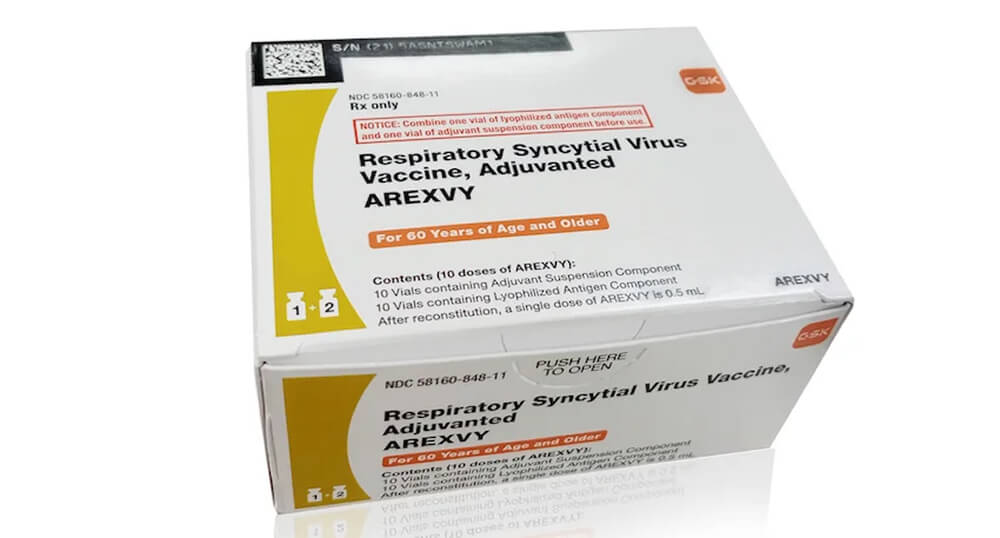
The good news is that a free government-funded RSV vaccine is now available through pharmacies for eligible Australians. The vaccine, called Arexvy, is available free of charge for:
- all adults aged 75 years and over
- Aboriginal and Torres Strait Islander adults aged 60 years and over.
The vaccine is designed to help protect older adults from severe RSV illness and reduce the likelihood of hospitalisation during the peak respiratory virus season.
Currently, only a single dose of the RSV vaccine is recommended. Health authorities say there is no evidence at this stage to suggest additional doses provide extra benefit.
As with many vaccines, some people may experience mild side effects after receiving the RSV vaccination. Common reactions reported in clinical trials include pain or redness at the injection site, fatigue, headaches and muscle aches. These symptoms are generally short-lived and resolve within a few days.
Pharmacists are encouraging eligible residents to speak with their doctor or local pharmacy about whether the RSV vaccine is right for them, especially as winter approaches and respiratory illnesses become more common in the community.
Taking simple precautions such as staying home when unwell, washing hands regularly and keeping vaccinations up to date can also help reduce the spread of RSV and other seasonal viruses.