By Elizabeth Frias
The tenacity of a women’s network is helping address a deepening housing crisis affecting vulnerable older women, living in insecurity, often unnoticed in our suburbs.
Three years ago, the Older Women’s Network (OWN) began mapping its Homes for Older Women (HOW) program, starting in the popular tourist destination and sprawling Blue Mountains region.
At the time, Homelessness Australia monitored at least 10,000 low-income individuals and rough sleepers queuing the NSW rental waiting lists each month as the COVID pandemic ended.
That number climbed further to 36 per cent more at one stage, with more than 200,000 people joining the search for rental homes by the end of 2024.
Scaling the findings revealed six out of every 10 rental seekers were disadvantaged women, many with children, and at least 10 per cent were aged 55 and older.
Across 26 NSW electorates results revealed the Blue Mountains had one of the highest numbers of older women, many in their late 70s, couch surfing with families, friends or charities.
As the scale of the problem became increasingly visible, newly retired Katoomba resident Bronwen Johnston joined OWN and helped establish a local chapter with guidance and support from OWN chief executive officer Yumi Lee.
Lee said the HOW initiative was primarily created in response to the growing number of older women experiencing homelessness.
“That’s why HOW exists. Older women are the fastest-growing group experiencing homelessness in Australia,” Lee said.
“The problem is often invisible. Older women facing housing stress doesn’t fit the stereotypical image of homelessness.
“They may still be working or recently retired, well-presented and reluctant to seek help.
“Many have spent decades in unpaid caring roles or had interrupted and part-time work histories, leaving them with significantly less superannuation than men.
“For many, a relationship breakdown, bereavement, illness or rent increase is enough to push them into housing insecurity.”
Johnston is now chairperson of OWN Blue Mountains and vice-chairperson of OWN NSW, working alongside Lee to expand the HOW program into suburbs and regional communities where older women face a high risk of homelessness or are already couch surfing.
At their Springwood office, a team of locally trained staff and volunteers process eligible rental applications then pairs them with compassionate homeowners who agreed to participate in the program.
Two years later, this month, OWN successfully housed 87 older women in the Blue Mountains, while 91 more are being processed, Johnston said, eschewing what others may think of older women finding themselves homeless as “it’s just the way things are.”
“They wanted a real response…We’ve had hurdles finding homeowners who’d accept having older women living on their properties, but others have been kind, benevolent and receptive of the idea.
“There’s been huge amounts of goodwill from members in our community and locals genuinely believe there is a need to provide safe housing for older women.
“We are also working with real estate agencies to help us find more suitable homeowners and properties and these are just some of the ways we overcome the barriers on housing older women.”
The NSW Government Homelessness Innovation Fund provides ongoing financial support for OWN to run HOW Blue Mountains and other areas where the housing problem for this age group of women persists.
“Homeowner participation is central to the HOW model,” Lee said. “It’s about building relationships with property owners willing to offer secure and reasonably priced accommodation to older women.”
Lee said OWN also supports the Everybody’s Home campaign, which advocates for housing affordability to become a national priority at federal, state and local government levels, one of the ongoing challenges faced while expanding the HOW program.
“The solutions to the housing crisis are complex and multi-layered and require action on many fronts,” Lee said.
“Blaming Baby Boomers or migrants for housing shortages is unhelpful and unfairly stigmatises older people.”
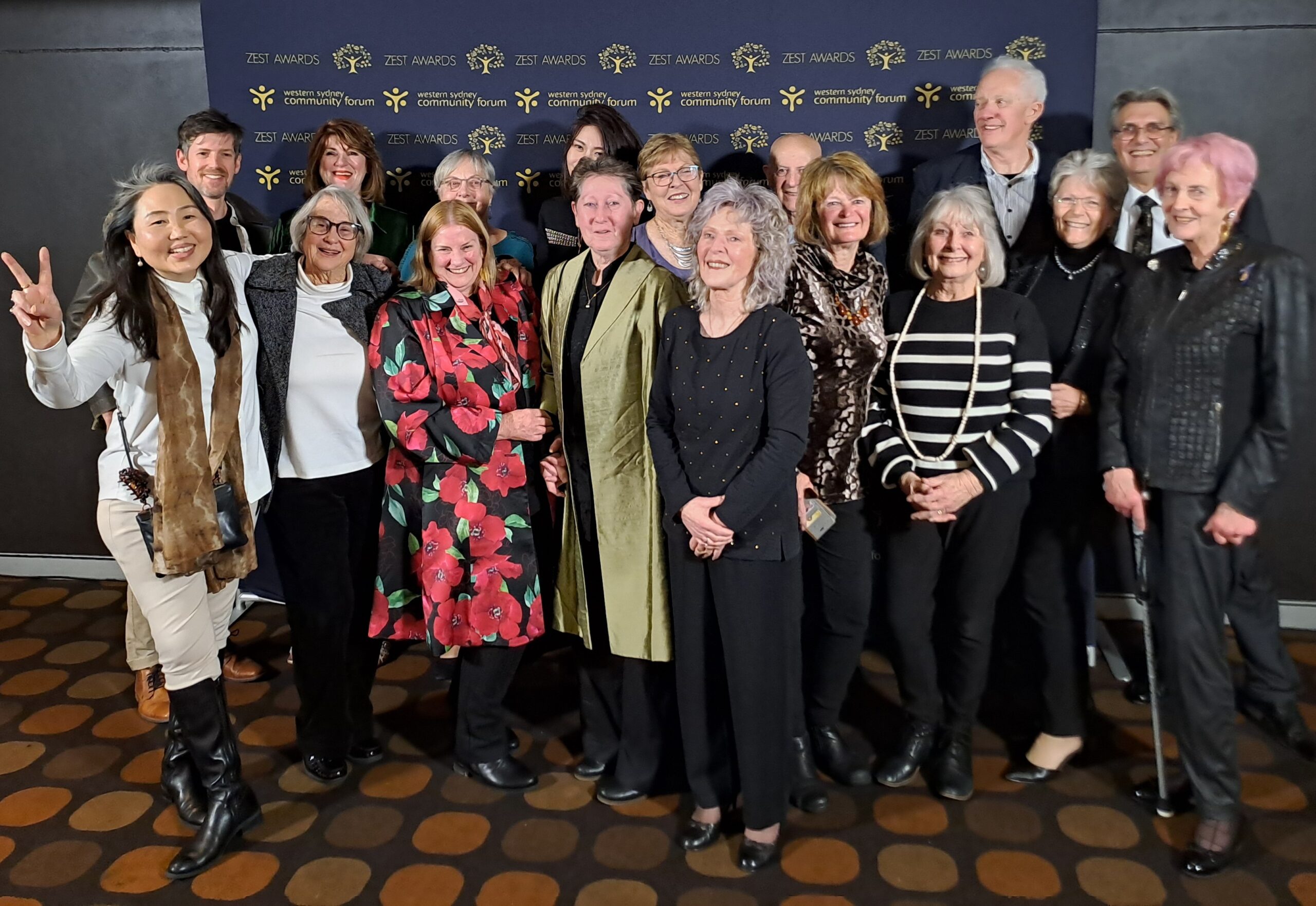
OWN’s initiative was recognised at the 2025 ZEST Awards, presented by the Western Sydney Community Forum, bestowing it winner of the Outstanding Project – Stronger Communities category for its work securing housing for vulnerable women.
OWN’s 23 chapters across Sydney and regional NSW continue to expand, with the HOW program set to launch in the Southern Highlands with support from the Mercy Foundation, which also helped fund the Blue Mountains pilot program, Lee said
Lee said OWN was identifying additional communities where older women were vulnerable to homelessness and supporting them to establish the HOW model.
“Many areas are facing a severe shortage of affordable rental housing, and we continue to see older women who have done everything right throughout their lives but still find themselves in precarious housing situations,” she said.
“The government recognises the value of a locally driven community model like HOW, and we are currently in discussions to secure ongoing funding for the program.”
Johnston said the HOW model in the Blue Mountains is now in its second phase tapping more homeowners who may have been renting out apartments, houses and studios apart from granny flat and free-standing cottages that suited older women tenants.
For more details on the program, click https://how.ownnsw.org.au. Enquiries on 0493 965 190 or how@ownnsw.org.au.
Elizabeth Frias is a retired journalist working part-time with The Independent Magazines.