By Elizabeth Frias
Few Australians have dedicated as much of their lives to improving the wellbeing of older people as Everald Compton.
Now 94, Compton still vividly recalls chairing the meeting in Brisbane on 5 July 1976 that established Later Years, the organisation that would become National Seniors Australia (NSA). It was officially launched by Dame Enid Lyons, Australia’s first female parliamentarian and the wife of former Prime Minister Joseph Lyons.
“It’s nostalgic for me,” Compton said. “We had people from organisations like Rotary, Lions and Rugby League, and from there it became a great movement.”
At the time, Compton was in his 40s, raising a family with his wife Helen while enjoying a successful career in accountancy, marketing and hospital administration. Yet he recognised a growing need to support Australians in the later stages of life.
Nearly 50 years later, National Seniors Australia has branches across every state and territory and has become one of the nation’s leading advocacy organisations for older Australians. Compton’s contribution has twice earned him the Medal of the Order of Australia.
The organisation also honours his legacy through the annual Everald Compton Community Champion Medal, recognising volunteers who make an outstanding contribution to older Australians. This year’s recipient, Rosie Fitzgerald, was recognised for her work supporting seniors living with dementia in Gympie.
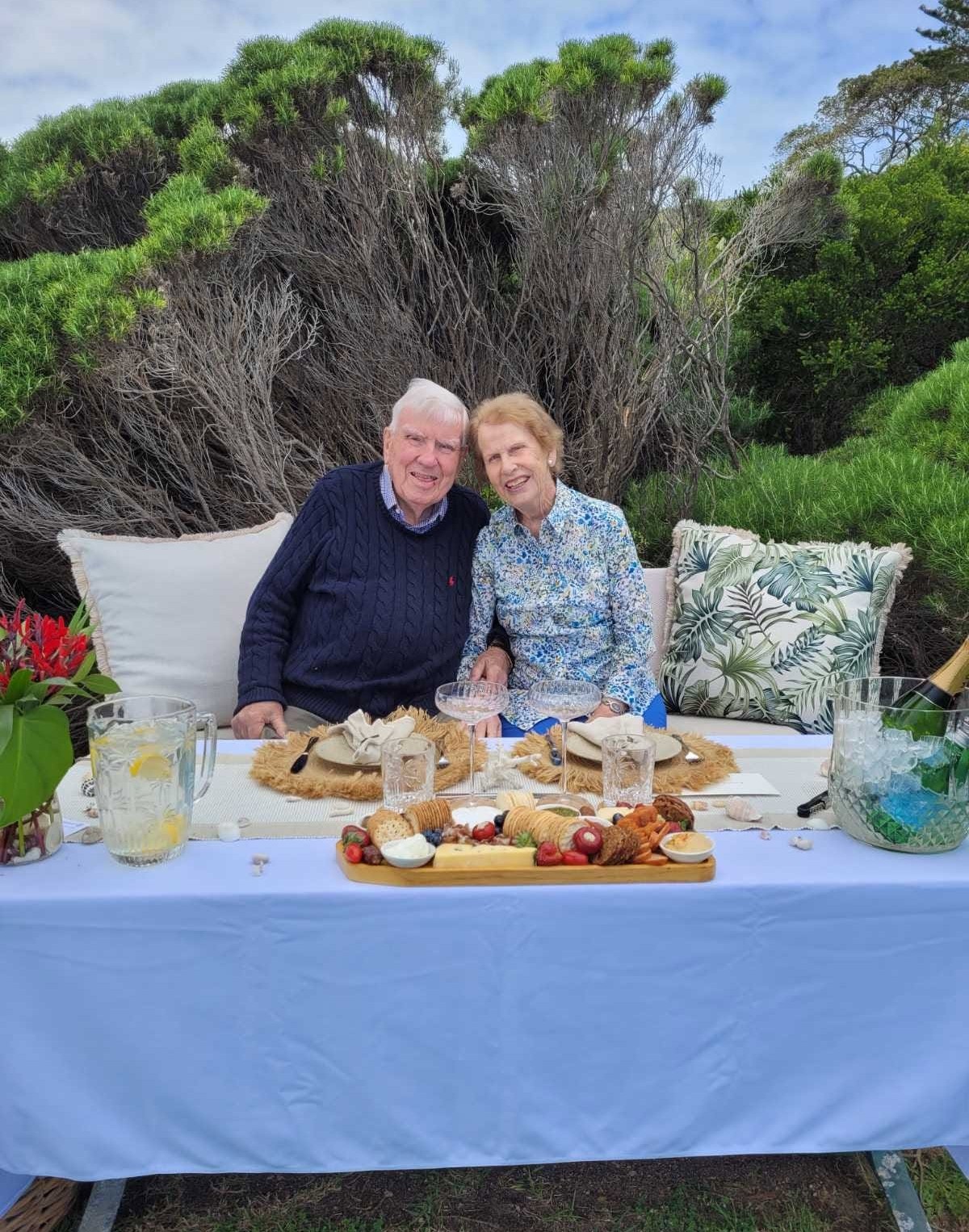
Although no longer on the NSA Board, Compton and his wife remain active volunteers.
“I’m very pleased with the medal and the many extraordinary people who have received it,” he said.
For Compton, remaining active after retirement is essential.
“It is totally important that people over 50 remain active and engaged,” he said. “They stay healthier and happier. Research shows that people who do nothing after retirement often experience declining health much sooner.”
He also rejects the notion that older Australians are a burden on society.
“Older people contribute enormously through volunteering. Without them, many community organisations simply wouldn’t exist. Those who want to keep working should also have that opportunity.”
One of Compton’s proudest achievements was helping negotiate Australia’s landmark pension reforms in 2009 alongside then Treasurer Wayne Swan and Deputy Prime Minister Julia Gillard.
“The largest increase in the age pension in the legislation’s 100-year history came from those negotiations,” he recalled.
The reforms substantially increased pension payments and introduced additional allowances to help meet the rising costs of medicines, utilities and everyday living. Automatic twice-yearly indexation now helps pensions better keep pace with inflation and cost-of-living pressures.
Throughout his career with NSA, Compton also advocated for compulsory superannuation, better aged care, improved health services and stronger protections against age discrimination.
Retirement, however, has not slowed him down.
Among his ongoing passions is the completion of Australia’s Inland Rail project, which he believes will strengthen the nation’s economy for generations to come. He has also continued writing books exploring history, politics, faith and Australian society.
His latest book, Walk in the Spirit, co-authored with fellow nonagenarian Neill Florence, tells the stories of six people from different cultural and religious backgrounds, including a Muslim, Jew, Christian, Indigenous Australian, Confucian believer and an LGBTQI person.
The central message is that people from different backgrounds can work together to create stronger communities.
“Religion doesn’t need to be a barrier,” Compton said. “People of every faith can help each other and support those who are lonely. They can live together.”
That belief extends to Australia’s multicultural society.
Compton recently criticised calls for Australia to move towards a “monoculture”, arguing the country’s diversity is one of its greatest strengths.
“I’ve spent a lot of time in Western Sydney and I can say those comments are wrong,” he said.
“It would be a terribly boring place if everyone were the same. Multiculturalism enriches our society. I can enjoy Italian, Greek, Korean, Vietnamese or Indian food, learn about different cultures and hear different music. That’s something to celebrate.”
He believes Western Sydney demonstrates that people from many cultures can live together successfully.
“I think Western Sydney shows that people can live together in diversity and happily, and I hope that’s everyone’s intention.”
Compton has long encouraged seniors from every cultural and religious background to become involved with National Seniors Australia.
“We should make sure every culture, nationality and religion in our communities is represented in our branches,” he said. “Everyone is welcome.”
For Compton, serving the community has never been something that ended with retirement.
“When I retired, I didn’t stop serving. I simply had more time to think about creating a better society.”
On 5 October, when he celebrates his 95th birthday, Compton will mark the occasion by walking 11 kilometres around Uluru with around 100 supporters to raise funds for Dorcas ACTS, the charity he founded to provide emergency financial assistance to people in need.
Royalties from Walk in the Spirit will also be donated to the charity.
Elizabeth Frias is a retired journalist working part-time with the Independent Magazines Group and volunteers as Branch Coordinator of the National Seniors Australia Hawkesbury Branch.