By Elizabeth Frias
For many Australians, discovering family history and exploring the stories of their local community has become a rewarding pastime. While online resources continue to grow, many history enthusiasts say nothing replaces the knowledge and records held by local historical societies.
A 2024 Deakin Contemporary History Survey of more than 5,000 Australians aged 18 to over 75 found podcasts, books, libraries, galleries and museums remain among the most trusted sources for researching history. The survey also found older Australians strongly believe history plays an important role in national life.
For Nepean Family History Society president Stephen McKenzie, digital tools such as the Western Sydney Heritage App are useful, but they are only one part of the research process.
McKenzie was a member of Penrith City Council’s Heritage Committee when the app was developed, representing the Nepean Family History Society.
“The committee worked with Penrith, Hawkesbury, Camden and Liverpool councils to develop the app,” he said.
“We were asked to suggest heritage sites from our region, while the other councils also contributed places of historical interest.”
Although the app provides an excellent introduction to Western Sydney’s history, McKenzie said serious family historians often need more detailed information than an app can provide.
“Our society has many digital and written records, predominantly genealogical, available to members,” he said.
“The NSW State Archives at Kingswood is also a valuable resource, with collections including convict records, probate files and other family records.”
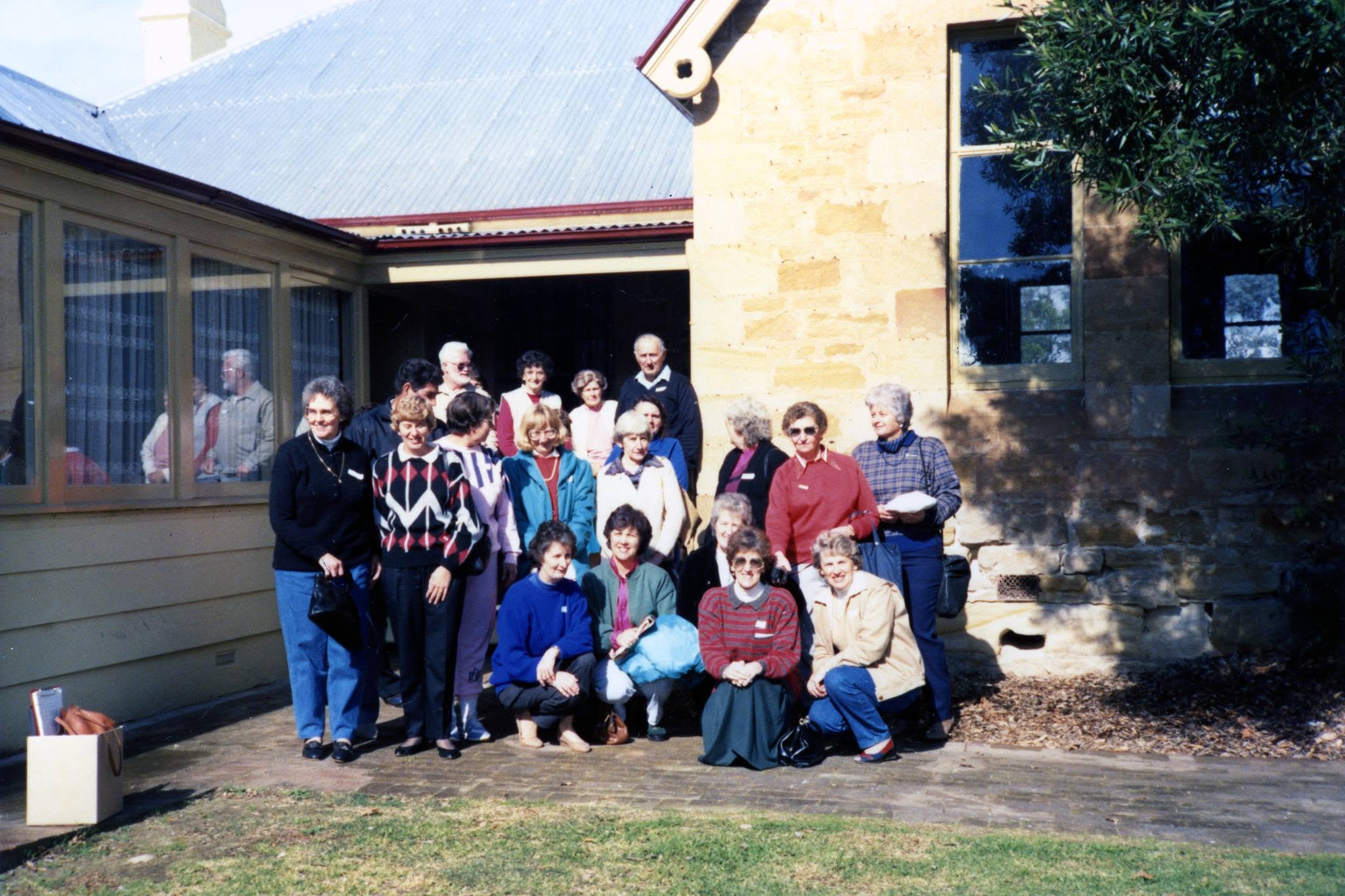
The Nepean Family History Society has operated from the historic Old School Residence in Emu Plains since the 1980s. The building forms part of the original Old Emu Plains School, opened in 1877 by then NSW Premier Sir Henry Parkes.
The society’s resource centre houses an extensive collection of documents relating to the district’s earliest European settlers and regularly welcomes researchers, family historians and guest speakers.
Among them has been renowned historian Professor Grace Karskens from the University of New South Wales, author of The Colony and The People of the River.
“We welcome everyone to visit our premises in Emu Plains and see the resources we have available,” McKenzie said.
Nearby, the Nepean District Historical Society also provides valuable research facilities from the historic Arms of Australia Inn, built in 1826 to accommodate travellers crossing the Blue Mountains. The heritage site is popular for tours, exhibitions and displays showcasing photographs and artefacts from the region’s pioneering and gold-rush history.
McKenzie said family historians today draw on a combination of online genealogy services, government archives, church records and local historical collections.
“Many church and government records are now available online, and our members have access to these resources through the society,” he said.
He believes understanding history is essential.
“To know where we are going, we need to know where we have been,” he said.
“With the internet, there are many different versions of the truth, so it’s important to rely on reputable sources.”
For those beginning their historical journey, the Western Sydney Heritage App offers an accessible starting point. It highlights the region’s rich past, from early European settlement and Federation through to the Great Depression and the two World Wars.
The app also features the 50-kilometre Penrith Heritage Drive, guiding visitors to some of Western Sydney’s oldest churches, farmhouses, public buildings and pioneer homes—making it possible to experience centuries of local history in a single day.