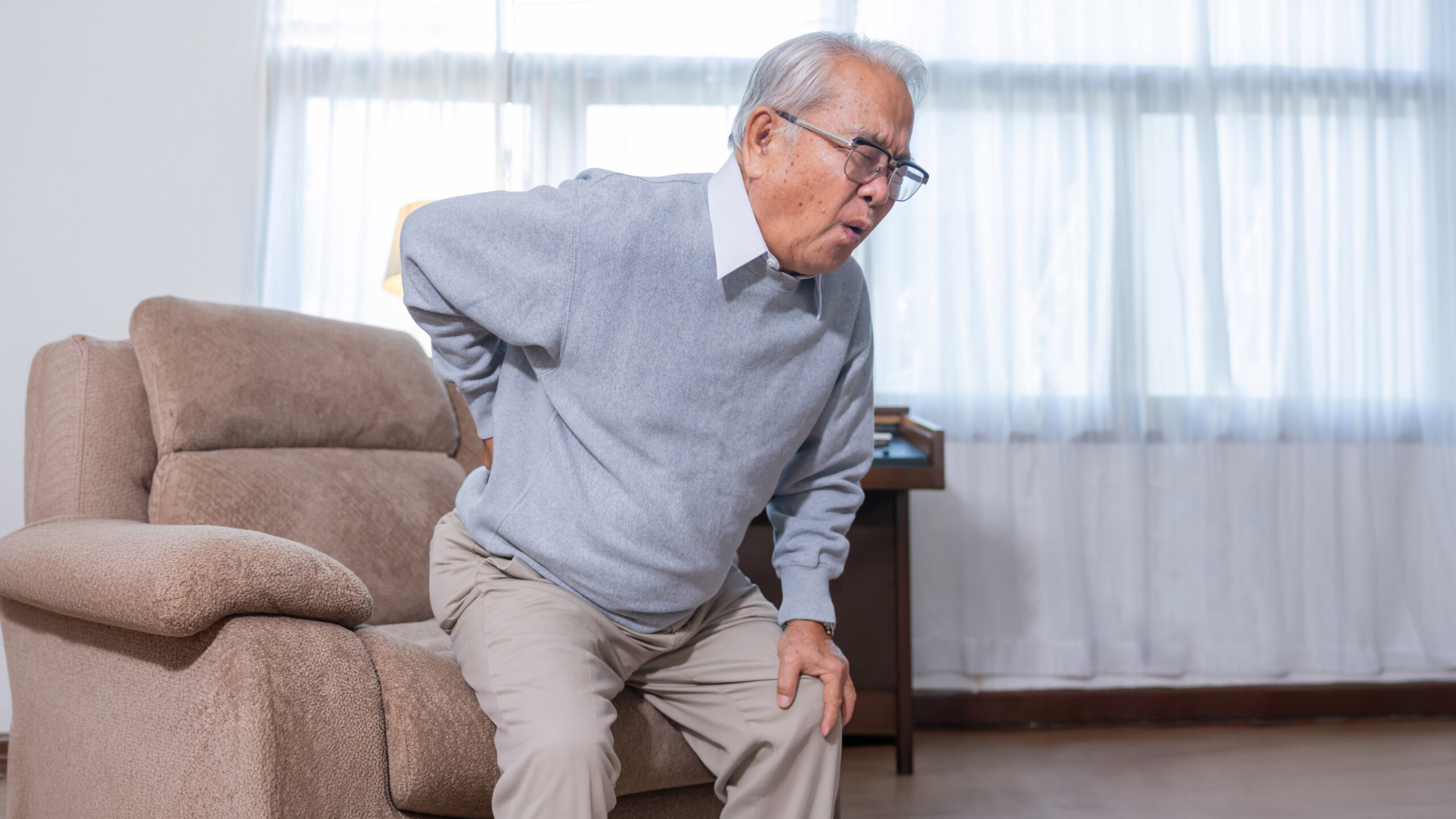
Back pain is so common among older Australians that many simply accept it as another part of getting older. However, new research suggests it may be having a far greater impact than most people realise, affecting not only mobility but also mental health, sleep and independence.
Released during National Spinal Health Month, the latest Australian Spinal Health Survey found seniors experience the highest rates of chronic back pain of any age group. More than 87 per cent of Australians aged 61 and over have experienced back pain during their lifetime, while more than 83 per cent reported suffering back pain in the past year. Nearly half said their pain had lasted for three months or more.
Australian Chiropractors Association President Dr Billy Chow said chronic back pain should never be dismissed as an inevitable part of ageing.
“For many older Australians, back pain isn’t something that simply goes away. It becomes a long-term condition that affects everyday life, limiting movement, disrupting sleep and reducing independence,” he said.
The survey revealed that reduced mobility is one of the greatest challenges for older Australians living with back pain. More than 42 per cent reported becoming less physically active because of their condition, while almost 30 per cent said pain regularly disrupted their sleep. These factors can lead to a loss of confidence, increased isolation and declining overall wellbeing.
Researchers also highlighted the strong connection between chronic pain and mental health. Around one in three seniors living with back pain reported a moderate to severe impact on their mental wellbeing. Feelings of anxiety, depression and social withdrawal were particularly common among people in their early retirement years.
Another concern is the growing reliance on pain medication. Older Australians recorded the highest daily use of both prescription and over-the-counter pain relief of any age group surveyed. Health experts say medication alone may not provide the best long-term solution, encouraging older people to discuss evidence-based treatment options with their healthcare professionals.
The survey also found many seniors avoid movement because they fear making their pain worse. Yet health professionals warn that prolonged inactivity can actually increase stiffness, reduce strength and worsen chronic pain over time.
Instead, maintaining regular movement, participating in appropriate exercise and seeking professional advice can help preserve mobility and improve quality of life. Research cited in the report found that active treatment approaches focusing on exercise, physical function and psychological wellbeing can reduce pain, improve confidence and help older people remain independent for longer.
The message for seniors is simple: back pain should not be accepted as an unavoidable part of ageing. Early assessment, staying active where possible and working with qualified healthcare providers may help reduce pain, improve mental wellbeing and support healthy ageing.
Looking after your spine isn’t just about protecting your back it may also help protect your independence, confidence and quality of life.